
Gateway Village
Murfreesboro Project is Gateway to City’s Stormwater Management Approach
Every Project Starts with a Purpose
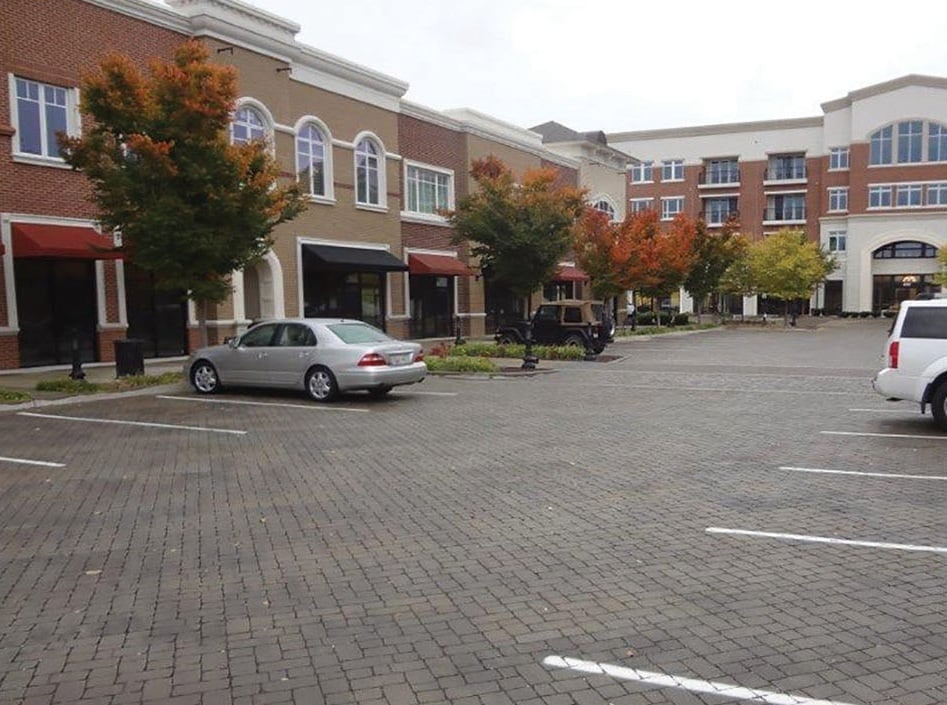
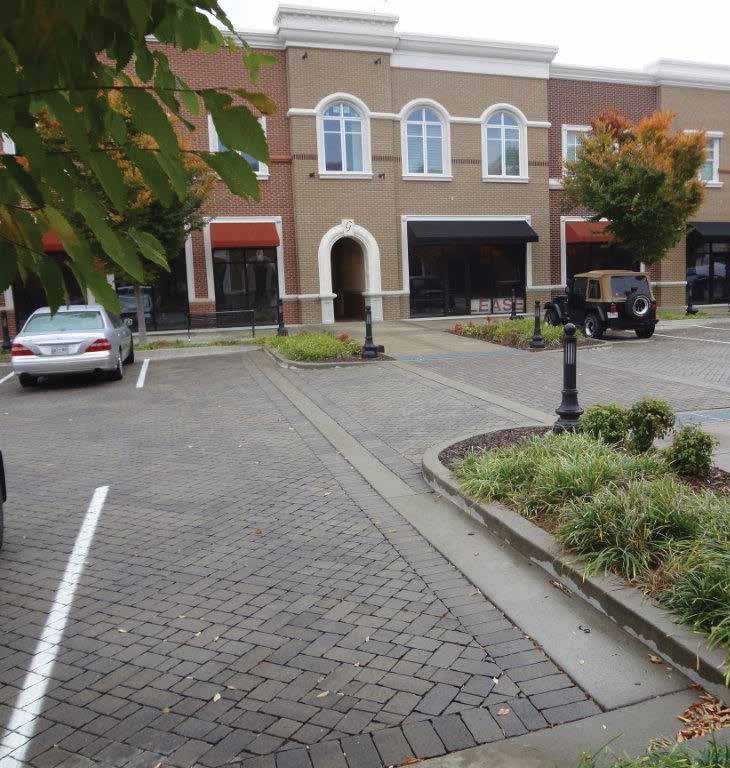
Murfreesboro, Tennessee, is one of the fastest-growing cities in the country, supported by strong city planning, good schools and ample employment opportunities. As a result, the municipality has taken a progressive approach to stormwater management. This mindset played a key role in the development of Gateway Village, a mixed-use project featuring 62 residential units and 61,500 square feet of office and retail space across three buildings ranging from two to four stories.
Designed as a LEED-certified project, Gateway Village needed to meet specific environmental objectives while complying with local stormwater requirements for water quality, streambank protection, detention volume and flood management.
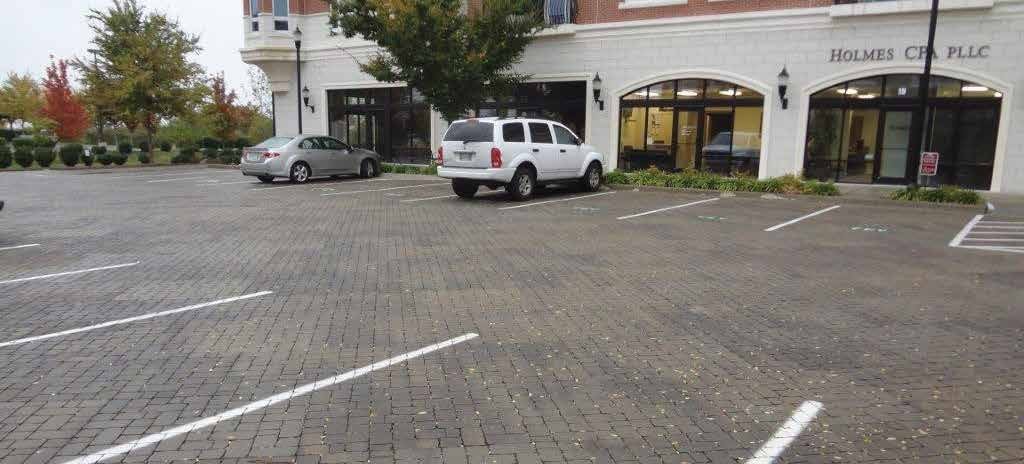
As a mixed-use development with a subsurface garage, residential units, office space and retail tenants, the site was required to accommodate a wide range of vehicles. Daily traffic included an estimated 2,000 passenger vehicles, along with regular garbage truck access and frequent delivery vans.
In addition, two to three times per week, WB-50 vehicles—or full 18-wheel tractor trailers—were expected to service the site. Balancing these heavy-load demands with environmental performance, durability and aesthetic goals presented a significant challenge for the Gateway Village development.
The Solution
Solving for Style, Function, and Durability
Belgard® Interlocking Concrete Permeable Pavement (PICP) helped the project meet environmental certification objectives and local mandates for water quality, streambank protection and flood management. SEC, Inc. engineering selected PICP for its ability to achieve multiple goals.
“Belgard permeable pavers helped achieve LEED certification and meet local stormwater mandates, and it also set the ambiance for the center,” said Matt Taylor, Vice President of SEC, Inc. engineering. “We did a lot of research on permeable interlocking concrete pavers as a pervious pavement solution for the Gateway project, because we previously had only seen porous asphalt and pervious concrete. Both of those present issues with performance and aesthetics and create long-term maintenance demands for our clients. Now PICP is an option we look at for almost every project.”
SEC, Inc. evaluated an underground detention system with a proprietary water quality unit but found it to be large, expensive and maintenance-intensive. With PICP, the pavers and subgrade aggregates naturally clean the water.
At Gateway, the subgrade consisted of bedrock and silty clay, and the permeable pavement structure provided sufficient storage volume to meet detention requirements while allowing natural infiltration that mimics predevelopment conditions. Underdrains were used to manage runoff from uphill buildings and the downstream fill slope. Aside from culverts at the rear of the site where pedestrian paths cross existing drainage swales, no additional storm drainage systems were required.
Featured Products

The Result
A Lasting Impression:
The Final Transformation
The design accounted for 1- to 100-year storm events, with runoff occurring only if portions of the paver surface become clogged. A study conducted by Middle Tennessee State University verified the system’s performance. Working with a grant from the City of Murfreesboro, the Concrete Industry Management program monitored water quality and quantity at the site for two years using an ISCO sampler.
“In that period of time there were 41 inches of rain—or 2.3 million gallons of water—and we found that there was no water discharge at the outlet located at the back of the site,” said Dr. Heather Brown of Middle Tennessee State University. “All of the water from the rooftops and parking surface was infiltrated back into the soil and replenished into the groundwater aquifer system. The system is working as it was designed.”
With its completion, Gateway Village became the first PICP project in the City of Murfreesboro and has since served as a model for stormwater management in new construction. “The use of PICP, underground water storage and a hardscape surface allowed us to increase our yield of leasable space and reduce our long-term maintenance costs,” said property owner Joe Swanson of Swanson Companies. “The benefits extend to our tenants, too, who enjoy the convenience of abundant and attractive parking areas for their employees, shoppers and diners.”





PLAN + DESIGN
Smarter Planning. Better Design.
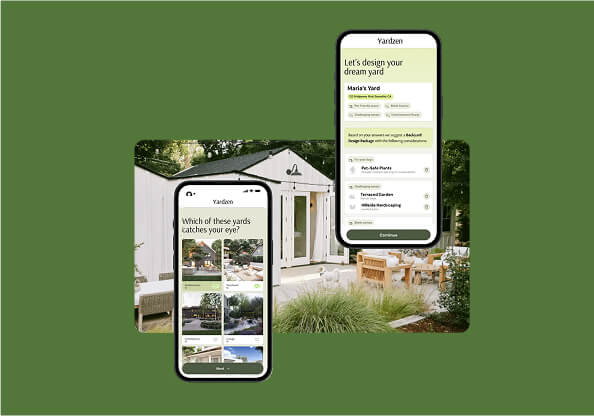
Belgard isn’t just here to provide the product—we’re your partner in planning and design. From first ideas to final layout, we make it easy to bring your outdoor vision to life.


Outdoor Living Awaits
Let’s build something beautiful together
Outdoor living solutions for homeowners, contractors, and designers.
We’ll listen to your needs, help identify the right products and design approach, and guide you toward a tailored solution that brings your outdoor vision to life.