
Create an Eco-Friendly Yard With Our Green Landscaping Ideas
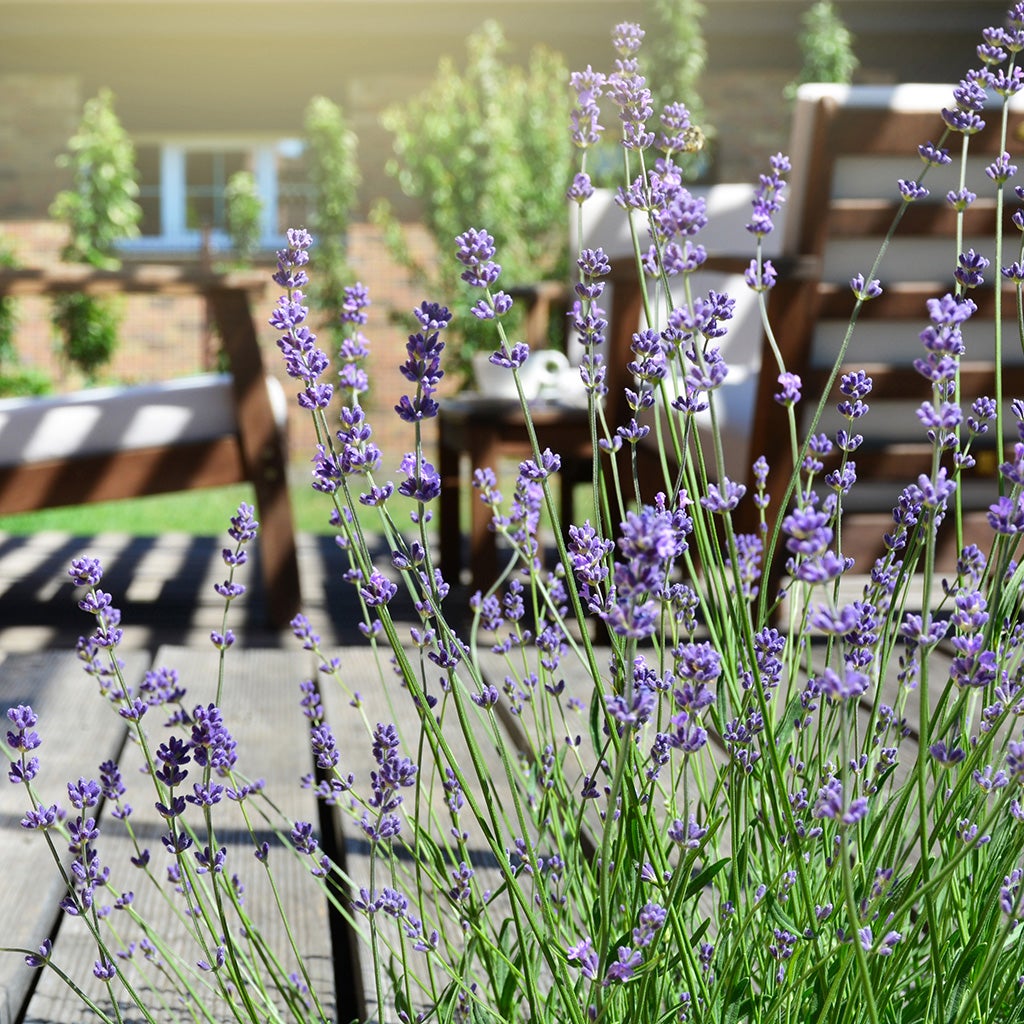
It’s called “going green” for a reason: the most environmentally sustainable step you can take with your yard is to plant and maintain healthy, eco-friendly landscaping. Plants absorb carbon dioxide and release oxygen, provide cooling shade, prevent erosion, reduce dust, and filter runoff water – so if you have trees, grass and/or plants, you’re off to a great start.
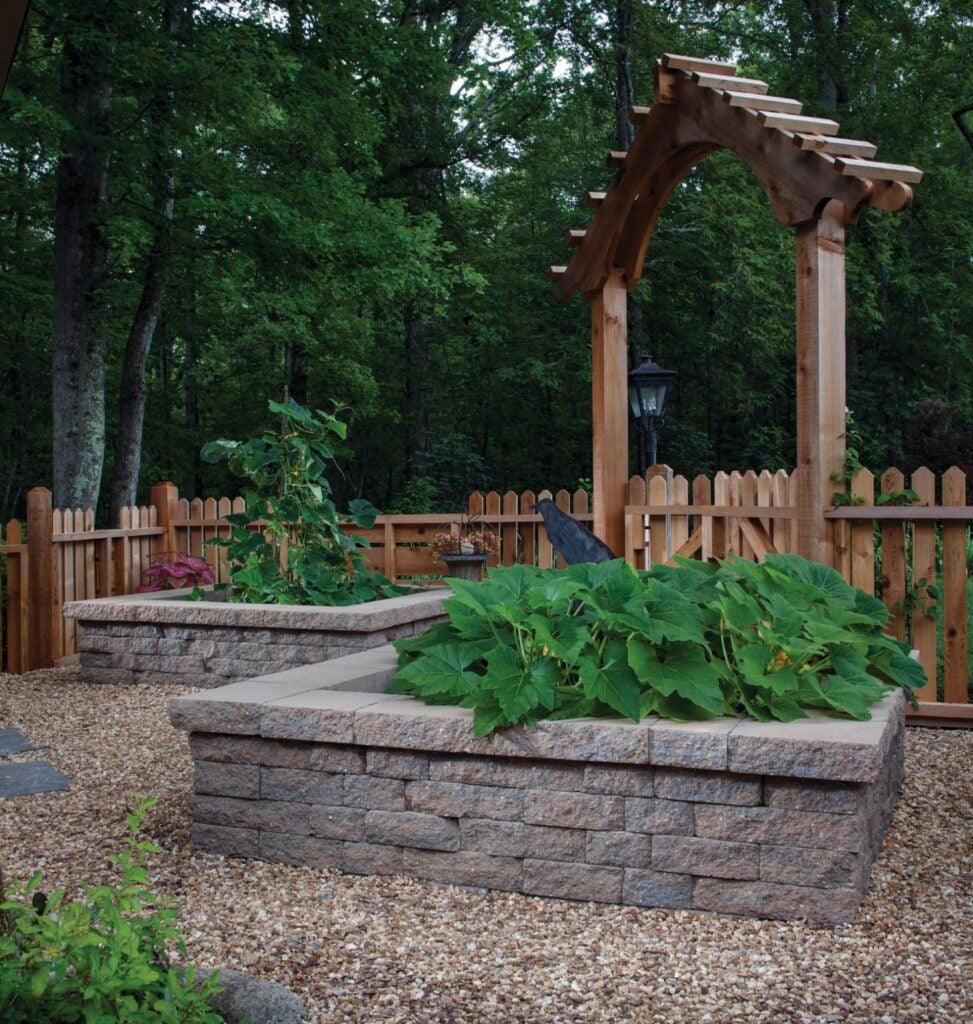
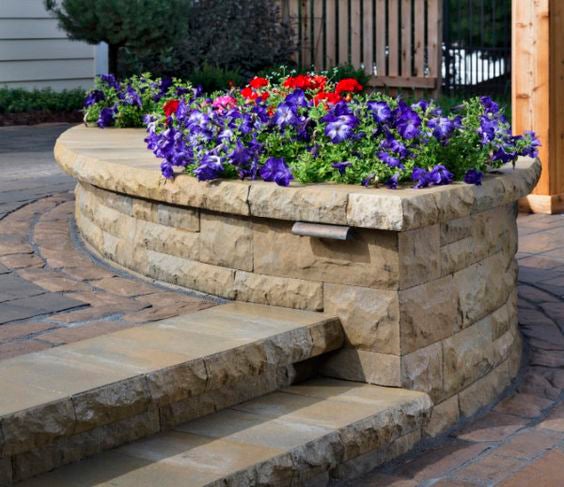
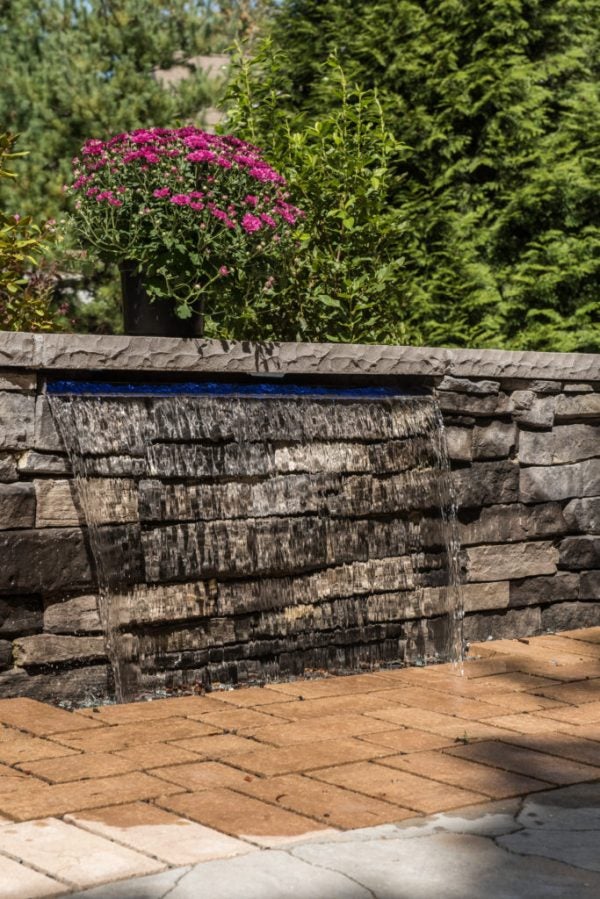
Here are some tips for creating and maintaining a green (in every sense of the word!) lawn and garden.
1) Get smart about irrigation
Don’t spend your summer moving a hose and sprinkler from zone to zone in your yard – there are now better ways to maintain an eco-friendly lawn.
Whether you opt for a “smart irrigation” system (a watering system controlled by technologies like moisture and rain sensors, fertilizer injectors, programmable timers and smartphone apps), or lower-tech but incredibly effective options like permeable pavers and rainwater collection, there are many technologies on the market today that can help you achieve an eco-friendly yard with less waste and effort.
2) Install permeable pavers
In contrast to mortar-set paving stones that can sometimes cause water pooling or runoff, permeable pavers are laid on multiple layers of crushed stone with joints filled with smaller aggregate stone. This design allows water to flow into the ground instead of run off into storm sewers, lakes, rivers, and other bodies of water. It’s a great solution for patios, but also for driveways that can often be a problem area for water pooling and runoff.
3) Recycle Rainwater & Household Water
Whether you collect rainwater in a simple rain barrel positioned under your home’s gutter downspouts or in a more complex underground water-harvesting system designed to catch water from your permeable paver design, it’s a great source of free, clean water for keeping your landscaping lush.
For another safe source of irrigation, gray water systems collect used water from your home (basically anywhere but the toilet) and divert it to your yard in places, including:
- sinks
- showers
- baths
- washing machines
- dishwashers
4) Container gardening
Considering planting certain species of plants in pots or in raised hardscape beds or borders, rather than in the ground. Container gardens:
- use less water
- help control pests
- resist small animals
- can help you soil erosion
Choose seeds or plants known to thrive in a contained space.
5) Choose the right plants
Exotic, non-native plants may provide a dramatic look, but they can require more water, fertilizer, and general maintenance than a plant chosen specifically for your area. Native gardens require up to 77% less water than non-native plants, especially in hot or dry climates.
6) Support pollinators
Consider planting trees and shrubs that are attractive to pollinators – you’ll help save the bees, but also beautify your garden with the vibrant orange, red, and yellow flowers favored by bees and other flying insects. Aside from perennials and annuals, many vines, shrubs, and even trees produce flowers that will attract pollinators to your garden.
7) Get to know your soil
If you feel like you’re fighting against Mother Nature when it comes to your plants, have your soil tested. When soil is lacking in certain nutrients, there are many natural ways to bring it into balance including:
- compost
- manure
- grass clippings
- leaves
Each of these organic materials can all add nutrients to your lawn and garden without the use of harsh chemical fertilizers.
8) Control pests naturally
Keeping healthy soil and healthy, native plants will naturally reduce the presence of pests in your landscaping, but if you still need help managing pests, try natural remedies before opting for a chemical pesticide.
Depending on the pest and the plant, there are many highly effective home remedies for your garden including:
- coffee grounds
- eggshells
- essential oils
- aromatic herbs
9) Terrace a steep slope
Steeply graded yards are not only difficult to mow and maintain, they can also cause erosion and excessive stormwater runoff. Terracing the grade with retaining walls can prevent those issues, as well as provide more usable flat areas for recreation and planting — where plants can thrive with rainwater left to soak into the beds instead of flowing down the slope.
10) Install thoughtful hardscaping
We’re not suggesting you pave over your entire lawn, but some well-placed hardscaping will not only make your outdoor space more functional, it will help reduce the amount of water required to irrigate your yard.
Replacing just a small patch of natural grass with a paving stone patio can save thousands of gallons of water every year.